Forensics and Criminalistics
Analysis of physical evidence, toolmarks, fibers, and documents in investigations.
In forensic work, visualizing and documenting physical evidence is critical for criminal investigations and judicial processes. Smart G-Scope provides forensic experts and crime scene technicians with a portable tool for examining evidence in the field or in the laboratory.
It can help examine toolmarks, striations, textile fibers, hairs, latent fingerprint features, document alterations, and other items of forensic interest with sufficient magnification and resolution to guide the investigation.
The ability to document findings with high-quality images supports forensic reports and the presentation of evidence in court.
Key benefits
- Examination of toolmarks and ballistic striations
- Analysis of fibers, hairs, and transfer particles
- Detection of document and signature alterations
- Photographic documentation with evidentiary value
- Portability for scene and lab use
Image gallery
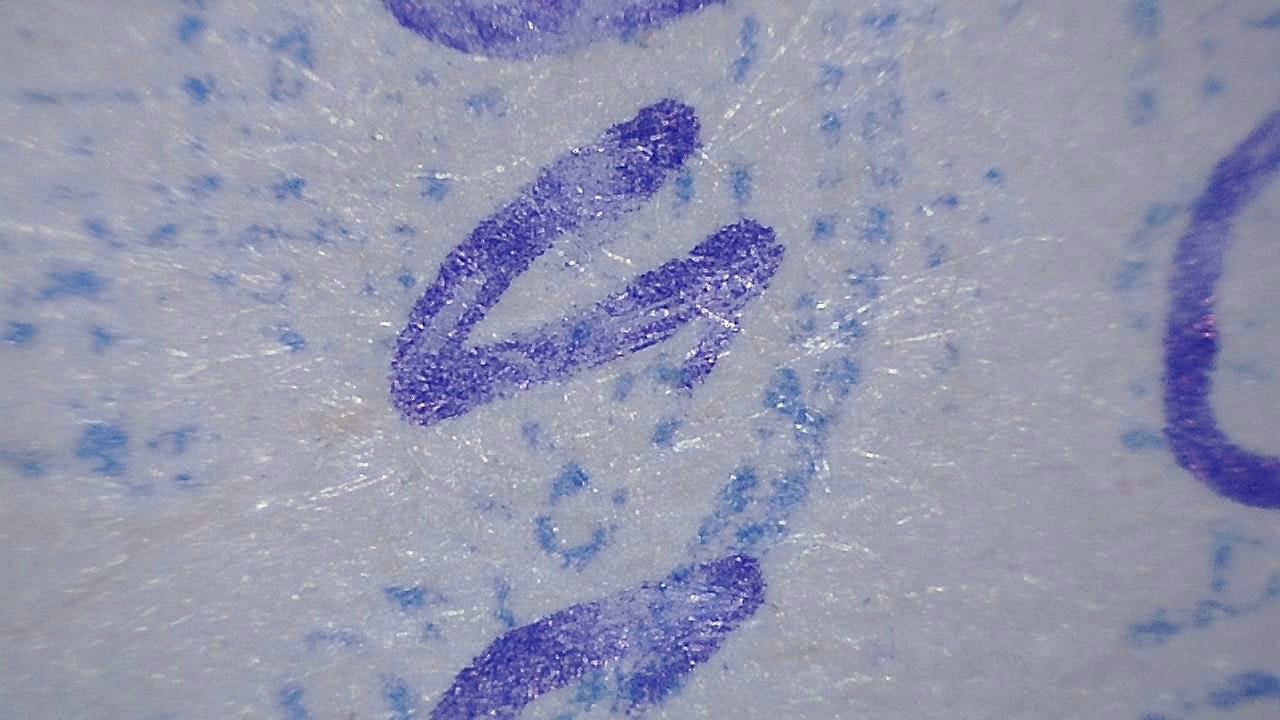
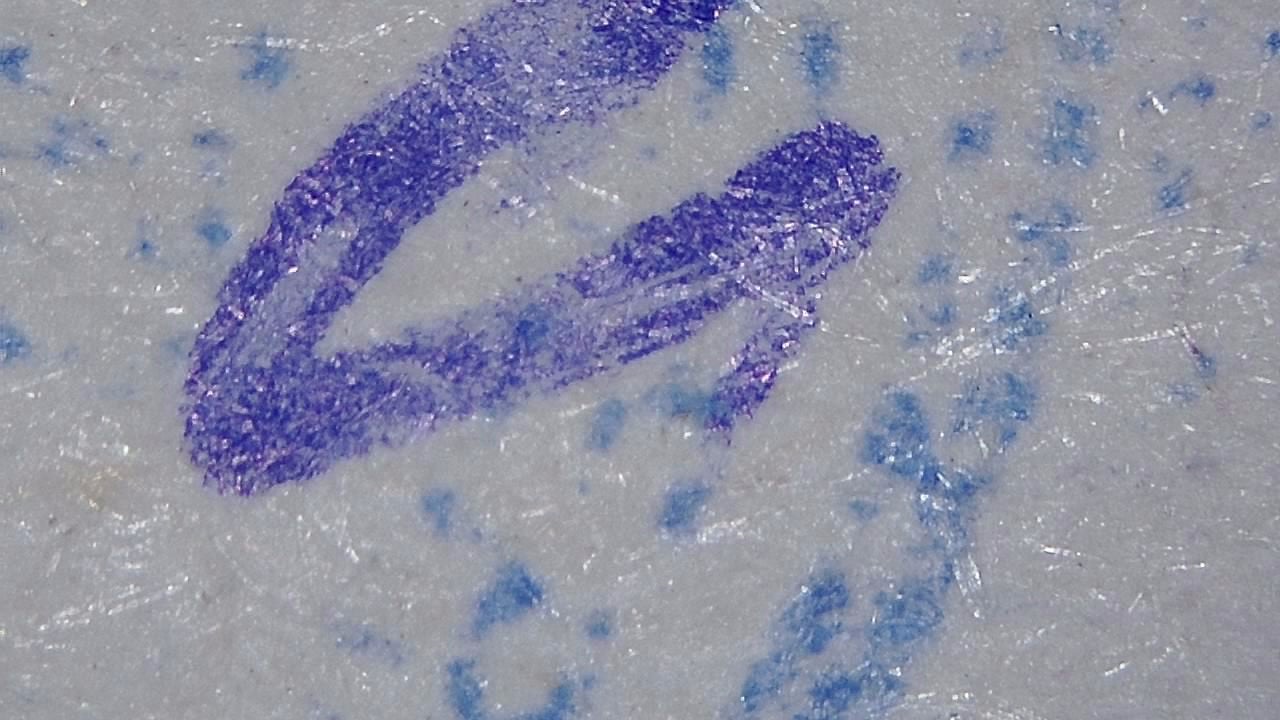
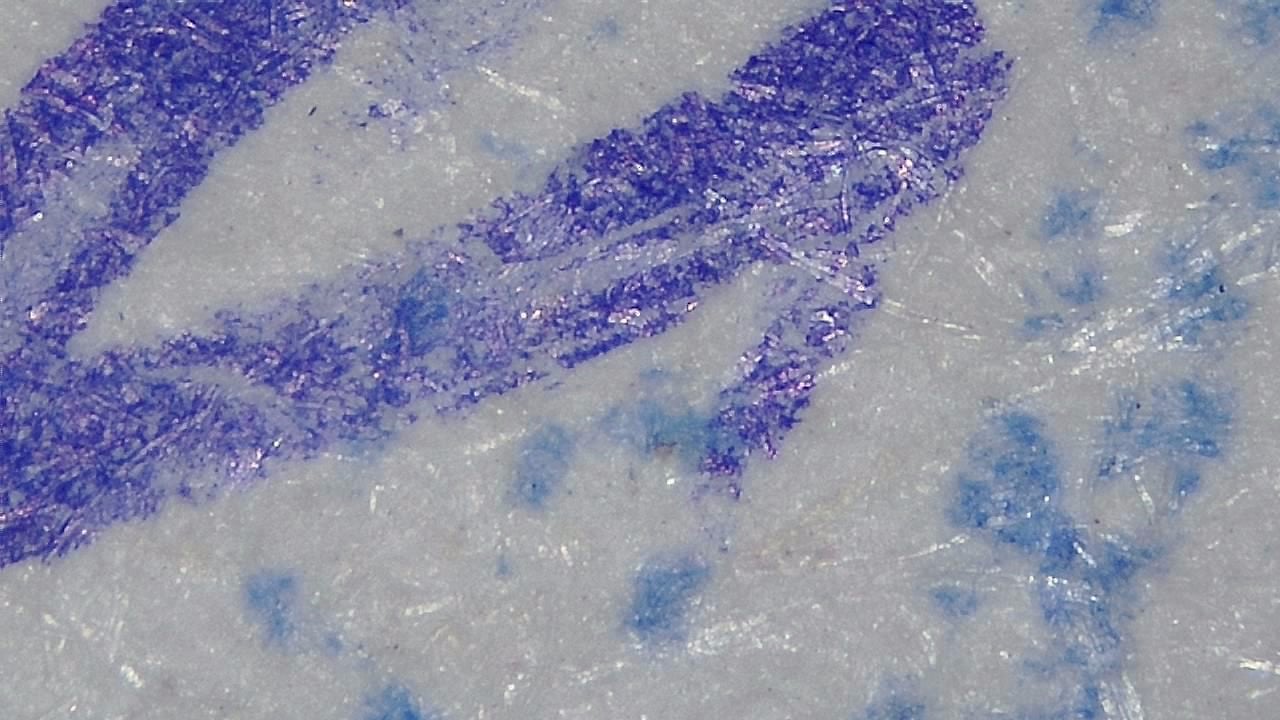
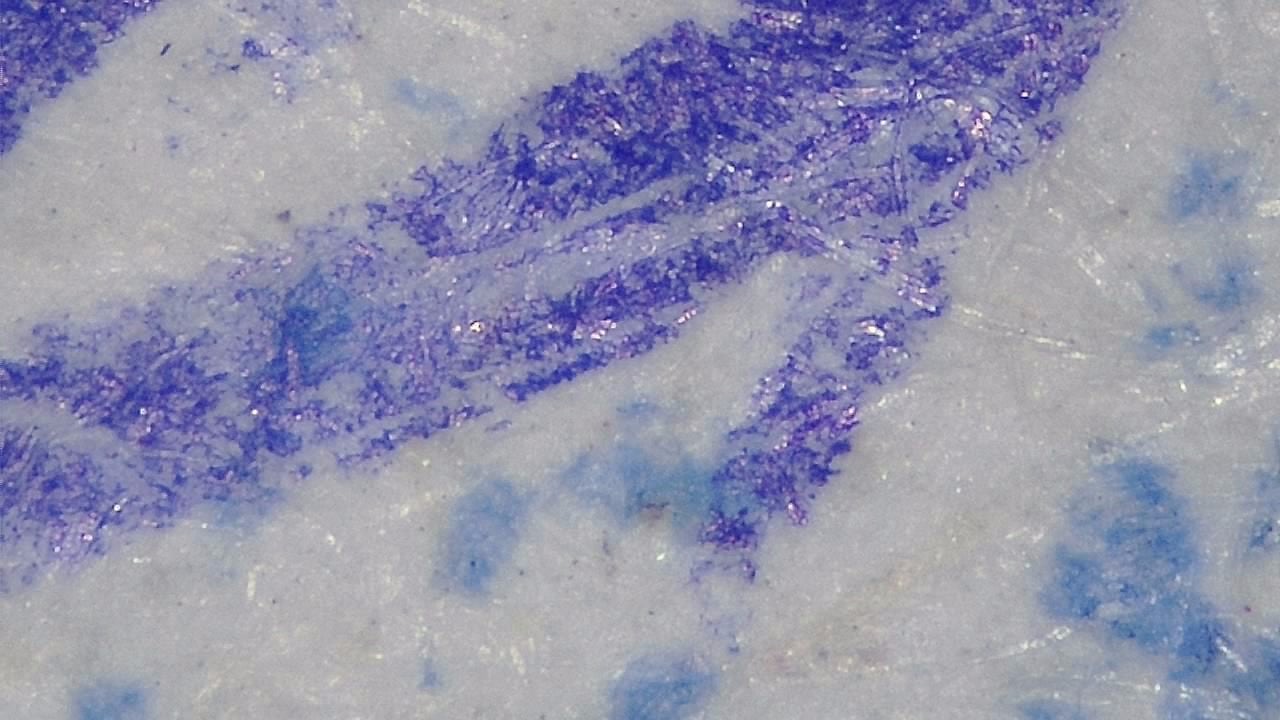
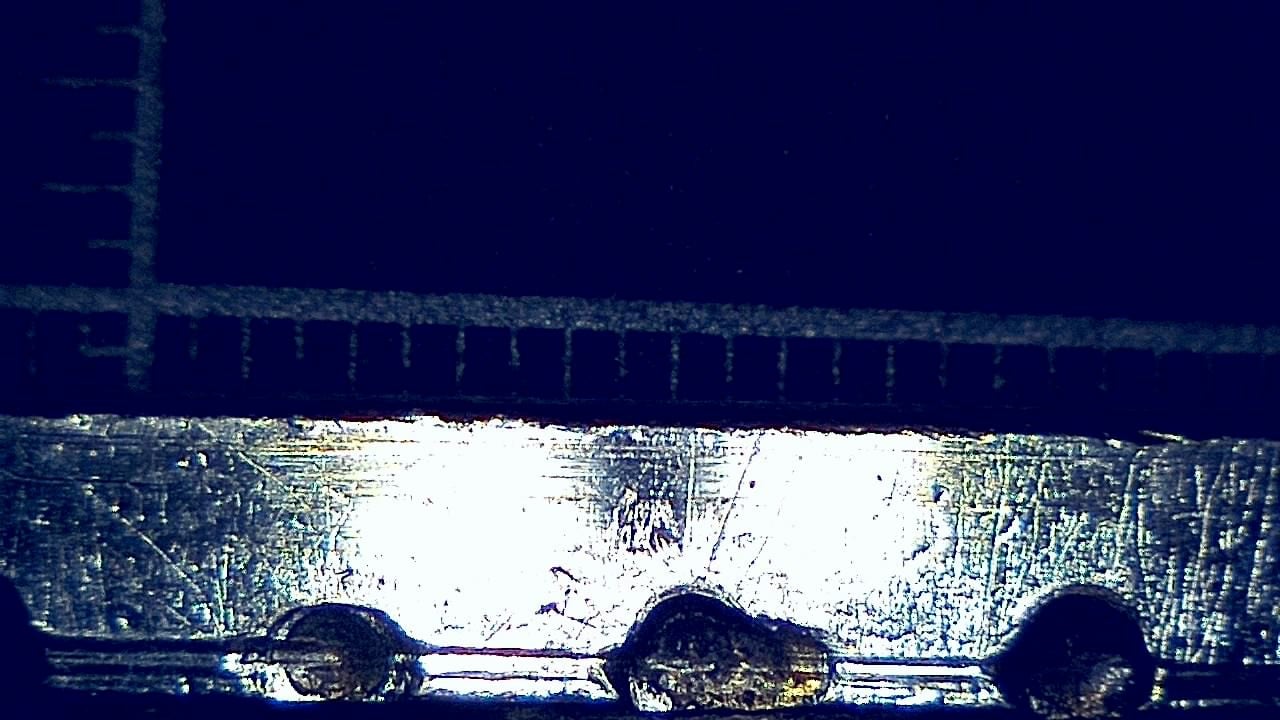
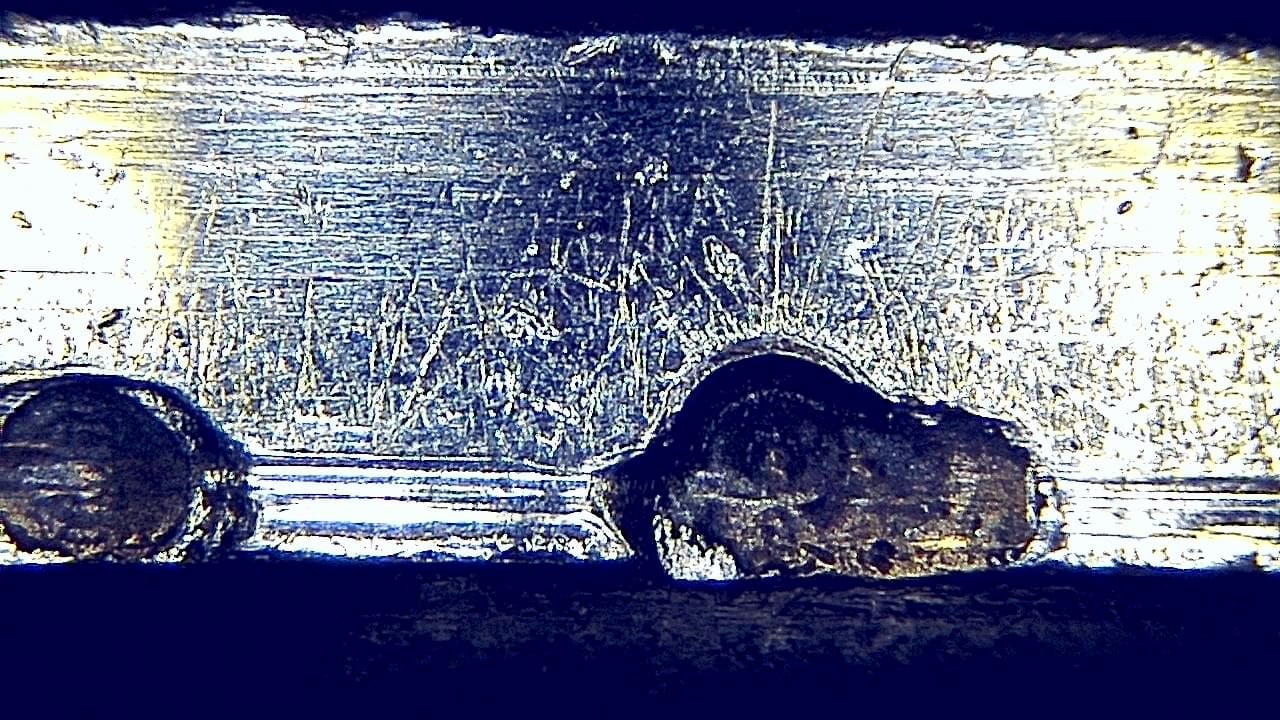
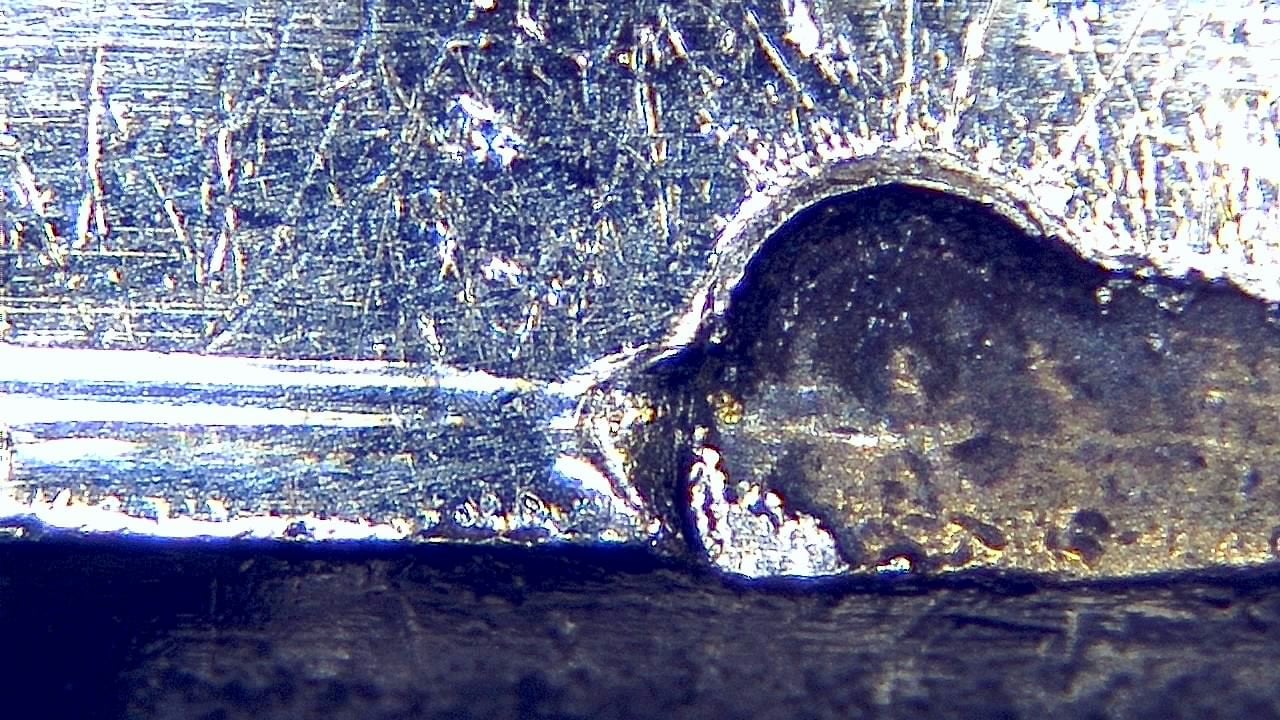
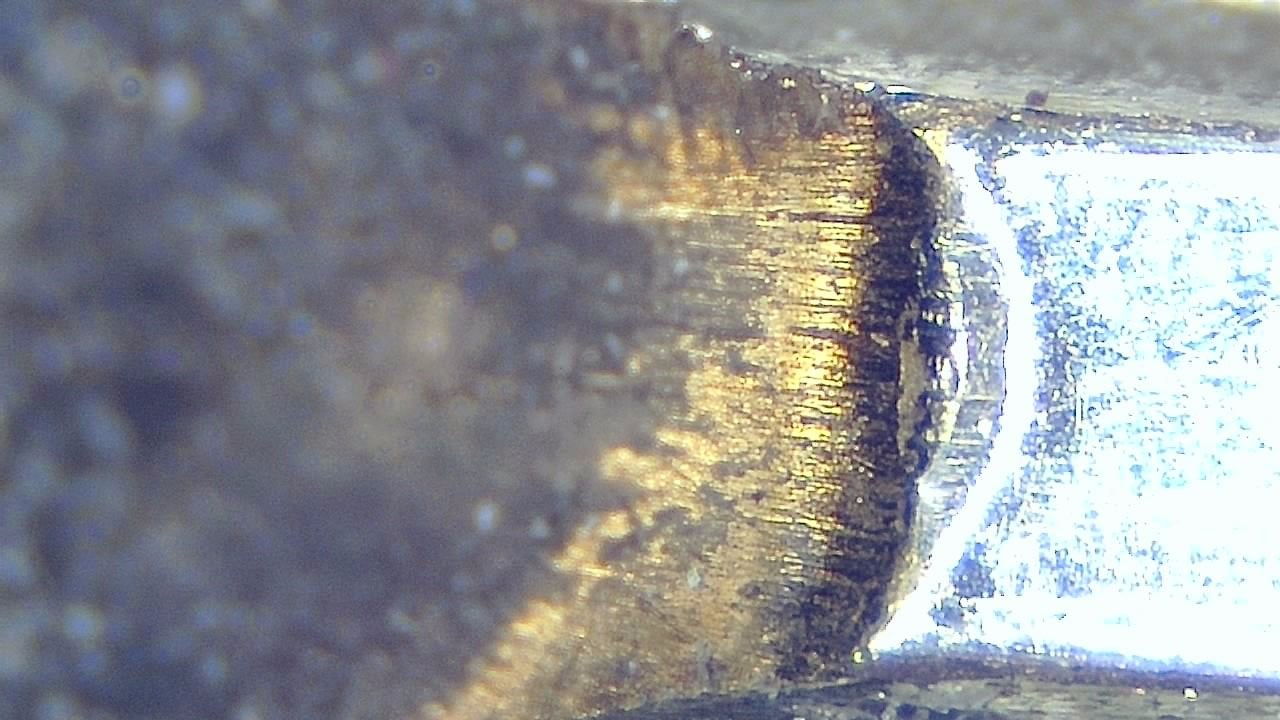
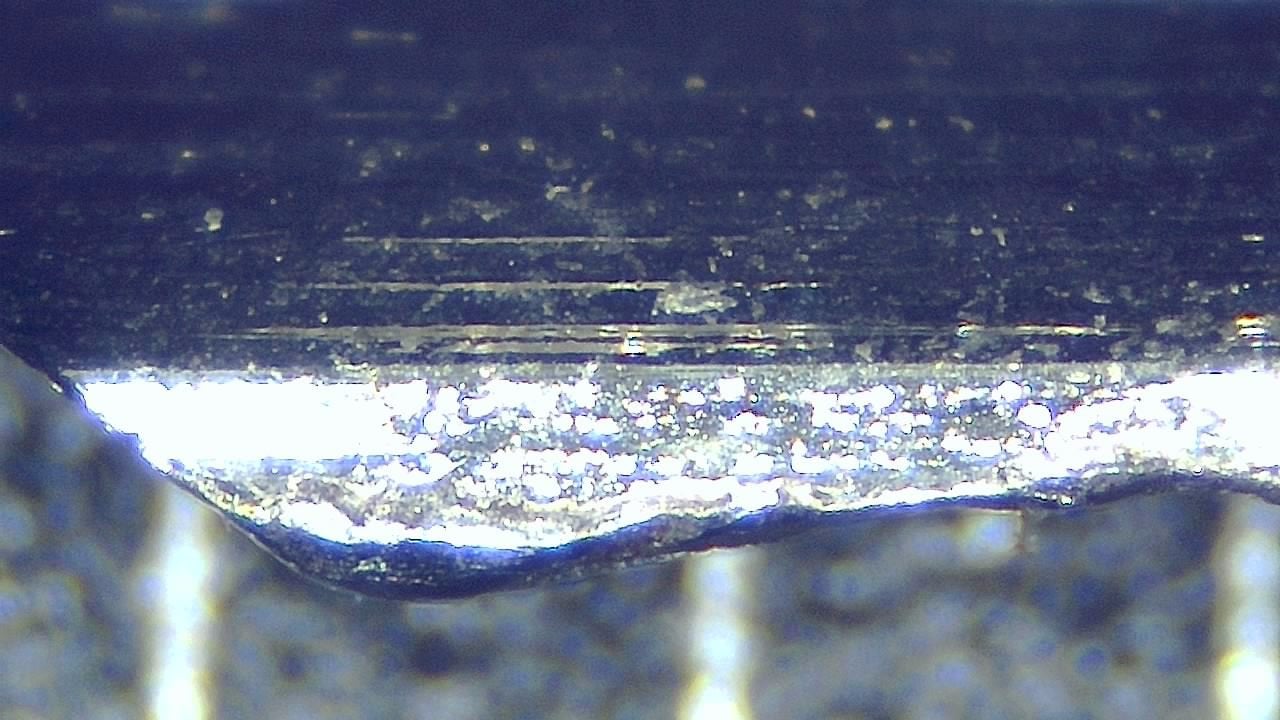
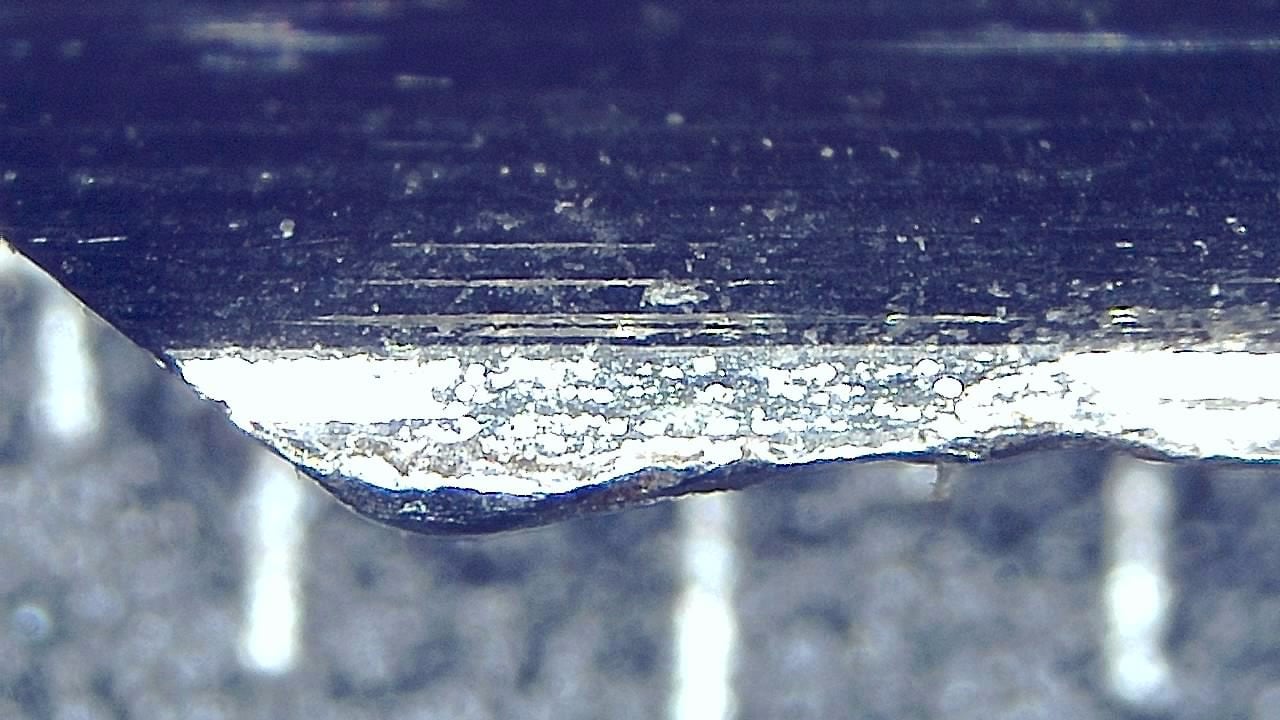
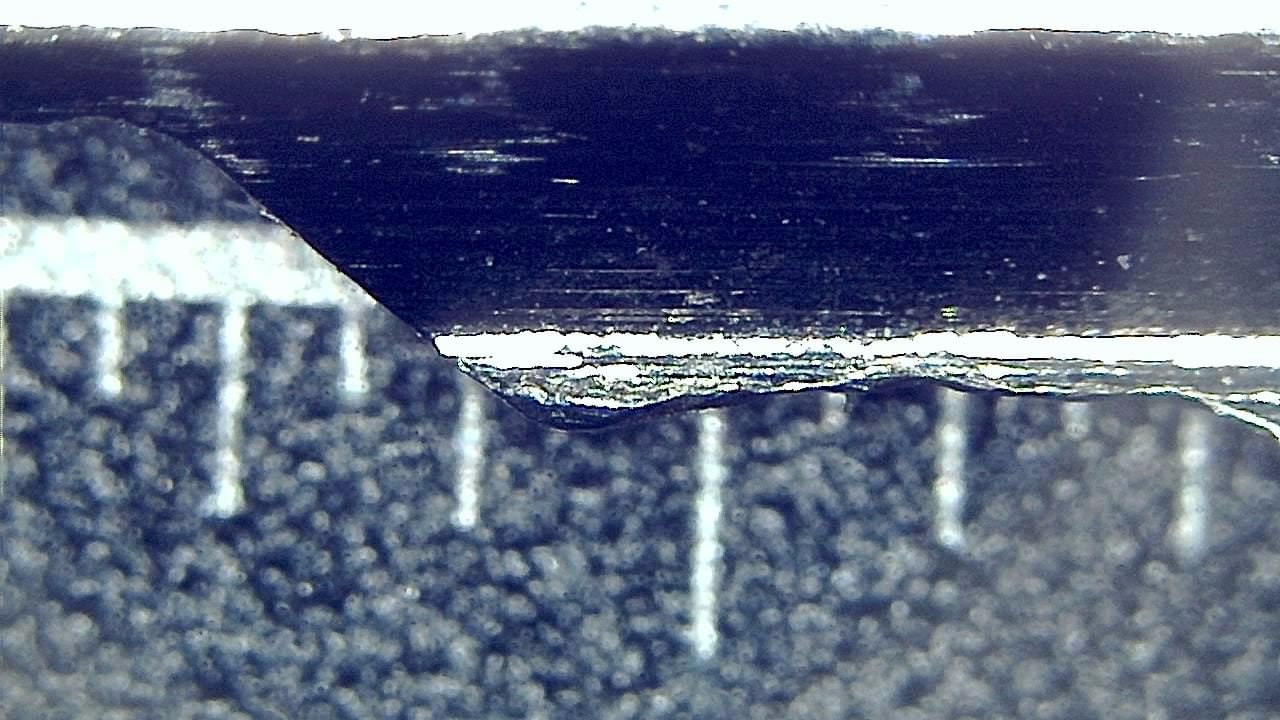
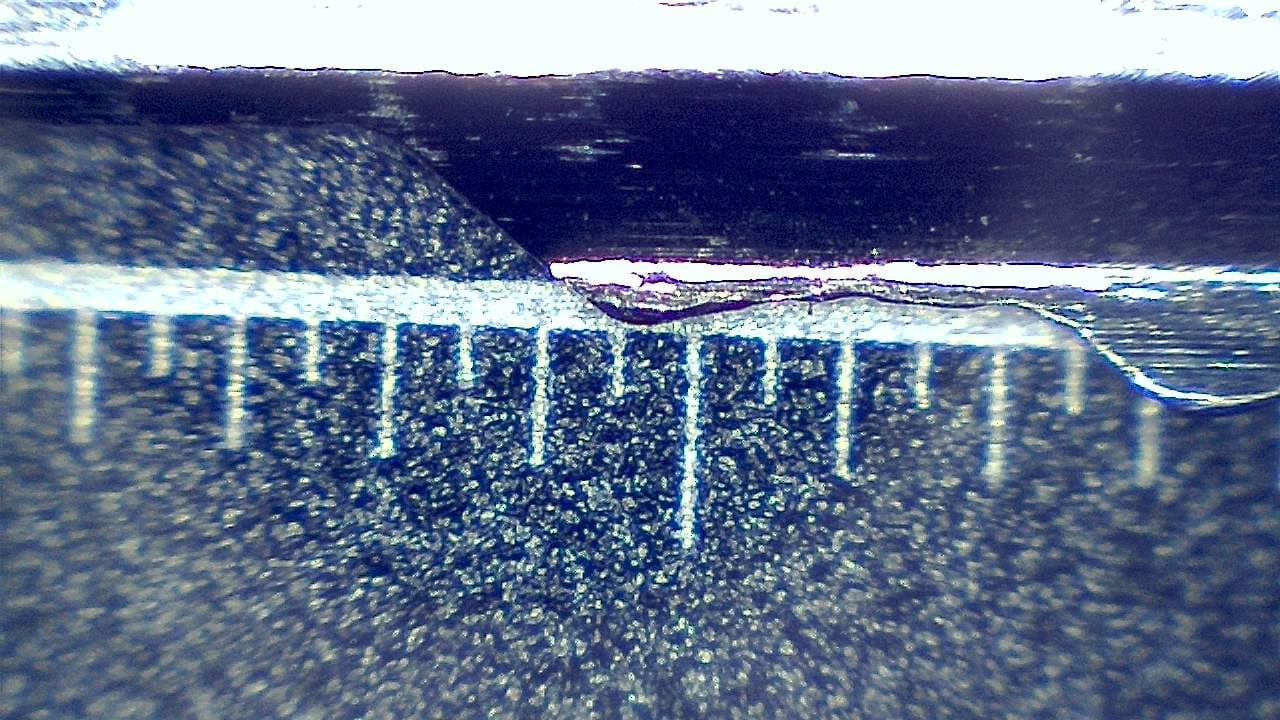
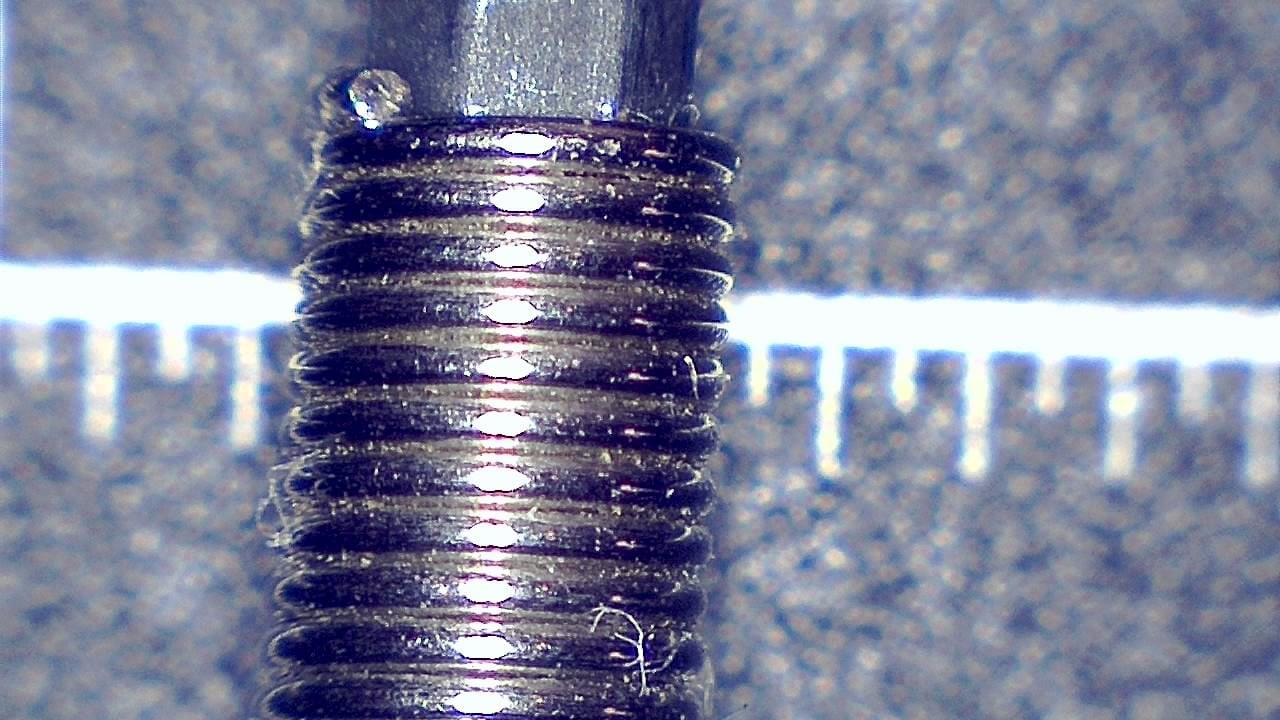
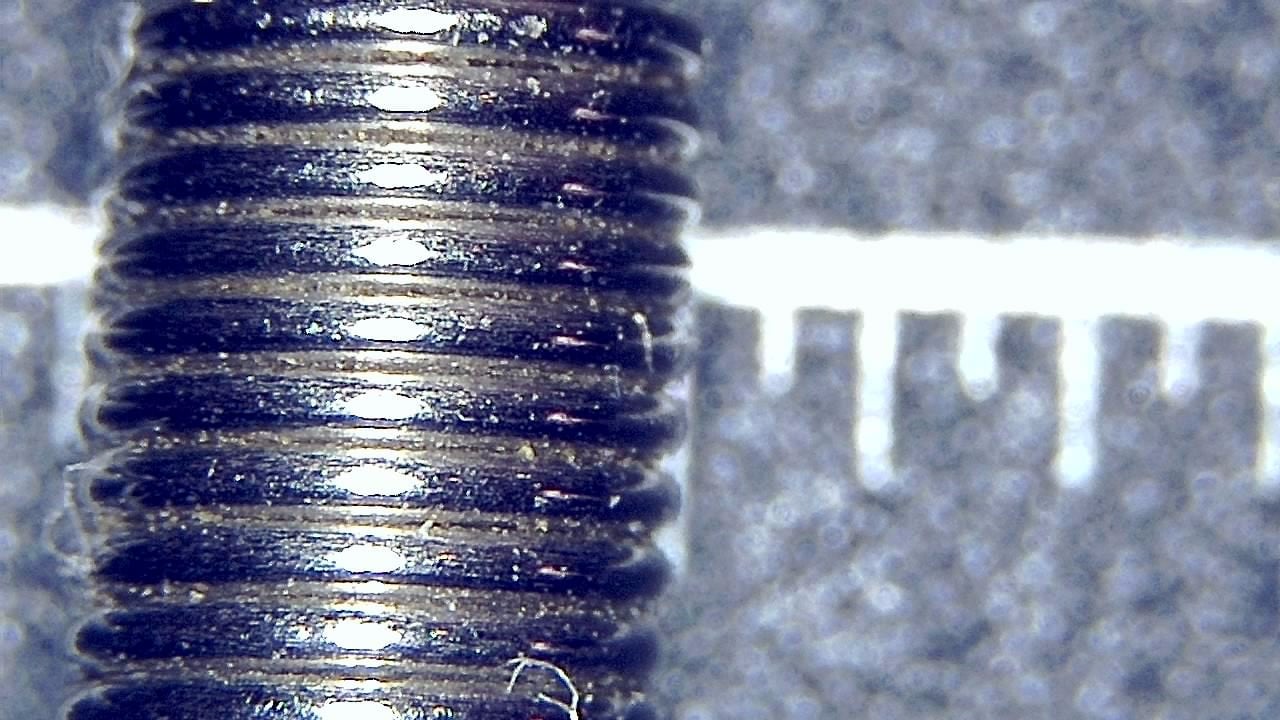
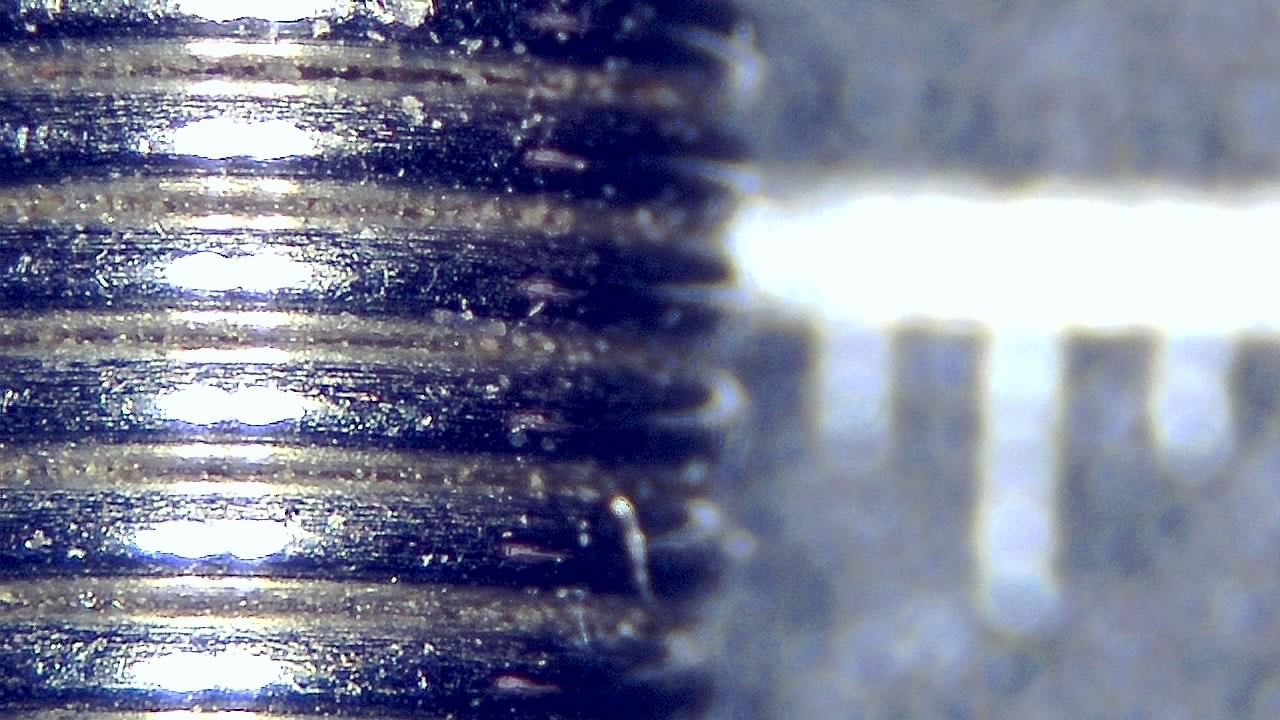
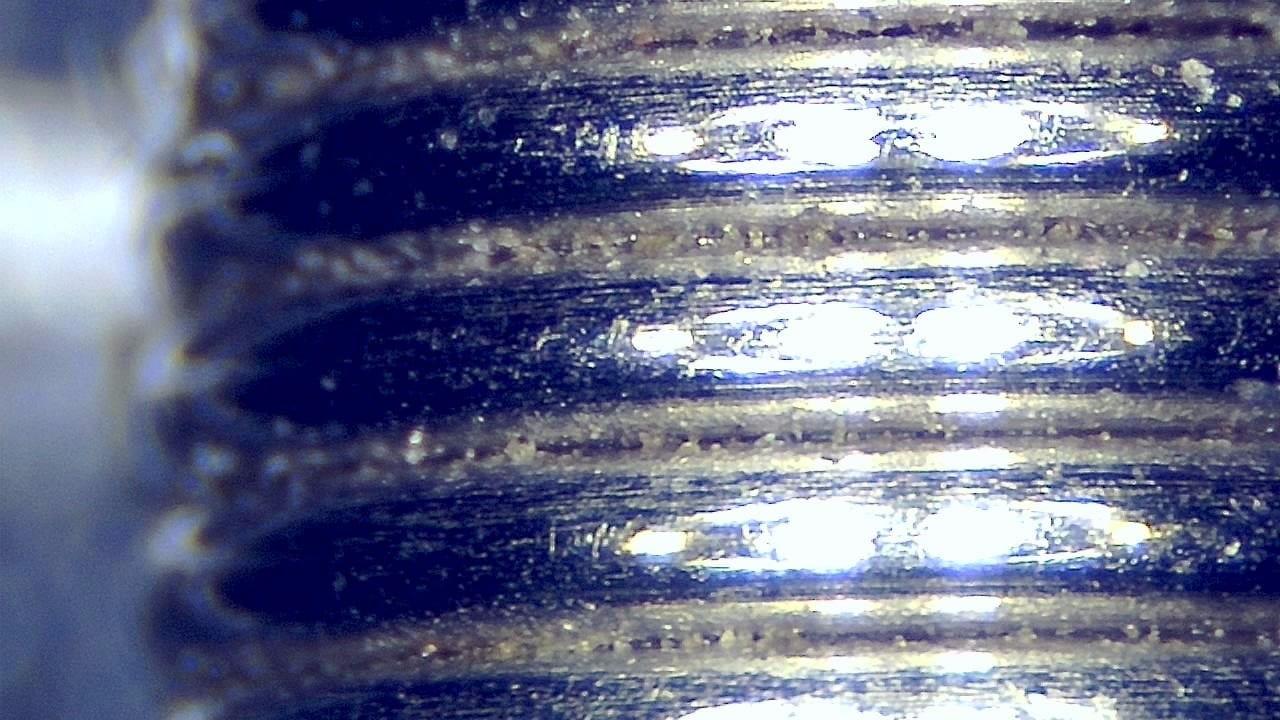
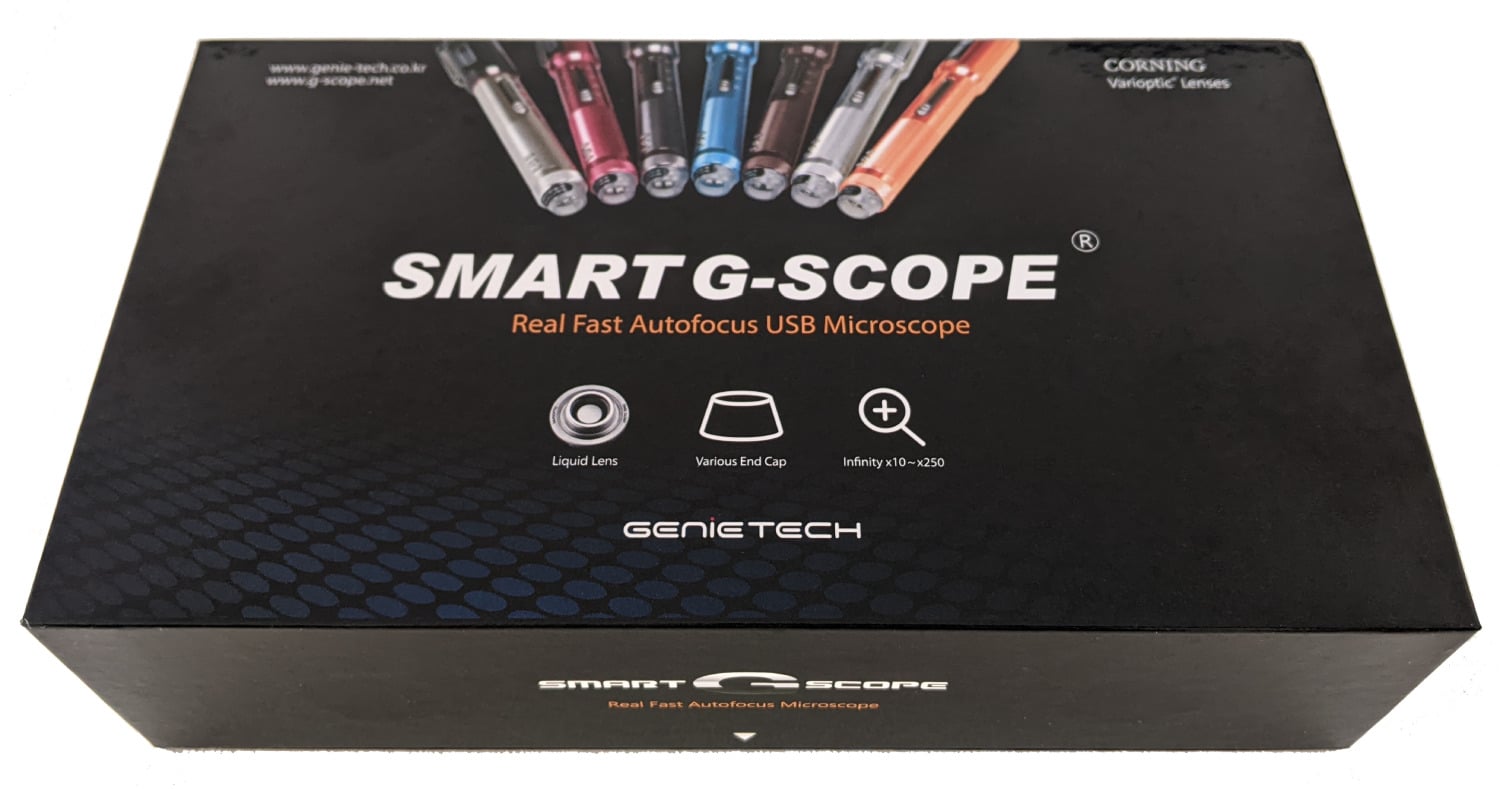
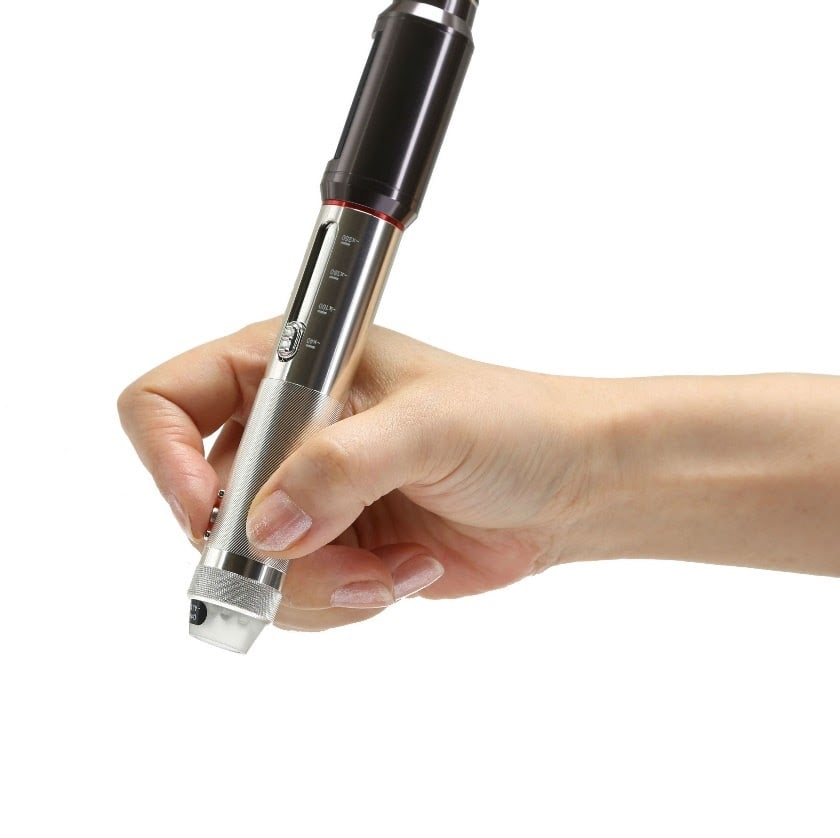
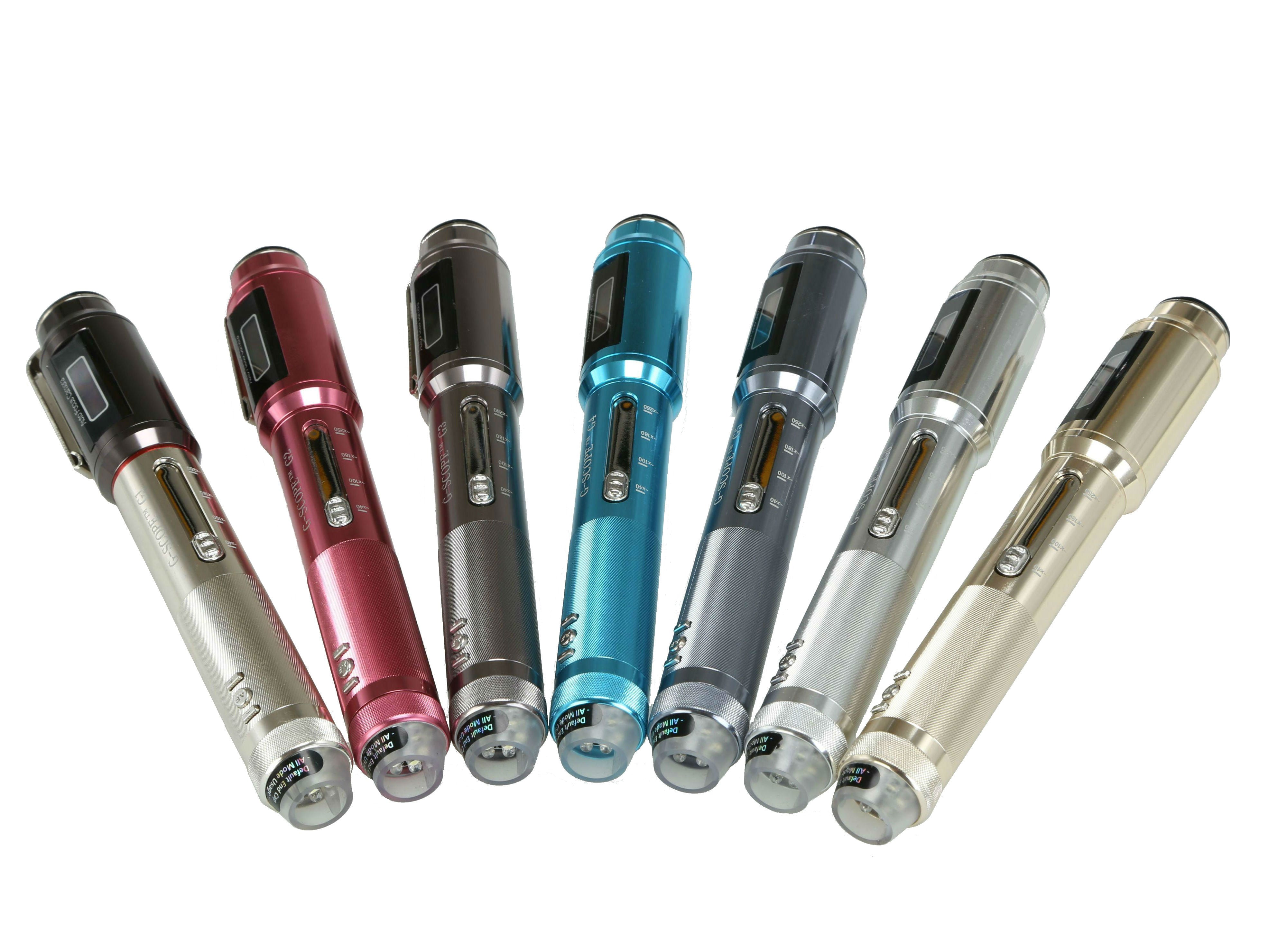


Click any image to enlarge
Practical examples
Toolmark comparison
A forensic expert examines marks left on a forced lock and compares them with marks produced by a seized screwdriver, documenting matches with detailed images for the report.
Document fraud detection
A forensic document examiner uses Smart G-Scope to inspect paper fibers and ink strokes in a disputed will, detecting inconsistencies that suggest later alteration.
Limitations & best practices
- Findings must be integrated into a rigorous forensic methodology.
- Maintain chain of custody for examined evidence.
- Chemical or genetic analysis requires complementary techniques.
Interested in this use case?
Buy Smart G-Scope
Get the right kit for this application. Secure checkout and fast shipping.
Need help choosing? Tell us your workflow and we’ll recommend the best setup.
Related use cases
Education
Accessible microscopy for science labs, biology, geology, and teaching research projects.
Geology
Mineral identification, rock analysis, and documentation of geological samples.
Microbiology
Observation of colonies, microbial structures, and preparations for teaching and basic research.
Archaeology
Non-destructive observation of surface details on archaeological pieces for documentation and analysis.
Entomology
Observation of insects and arthropods for identification, teaching, and scientific documentation.
Environment
Examine water, soil, and biological samples for education, fieldwork, and lab use.
Restoration
Analyze pigments, craquelure, and fibers to support conservation and restoration workflows.